

Elderberry Tea: Botanical Science, Immune Defense & Brewing Guide
May 26th, 2026

When the temperature drops and seasonal challenges emerge, the human immune system requires targeted, bioavailable nourishment. While market shelves are crowded with synthetic syrups and sugar-laden supplements, steeped herbal infusions offer a direct, unadulterated pathway to botanical resilience.
Brewing whole, organic elderberries delivers concentrated phytonutrients straight to your cells without the immune-suppressing effects of refined sugars.
The Botanical Science: Anthocyanins and Immune Support
Derived from the dark purple berries of the Sambucus nigra tree, elderberries have transitioned from historical folk medicine to a modern powerhouse of clinical nutrition. To explore the deep folklore and see how this botanical pairs with other herbs, visit our comprehensive organic elderberry collection.

High-Potency Anthocyanins
The deep violet pigment of the elderberry is driven by anthocyanins—specifically cyanidin-3-glucoside and cyanidin-3-sambubioside. These bioactive flavonoids neutralize free radicals and support systemic cellular health, shielding the body against environmental stressors.
Natural Vitamin Synergy
Elderberries naturally provide bioavailable vitamins A and C. Unlike lab-synthesized ascorbic acid, whole-plant elderberry delivers functional co-factors that assist the body's natural defense pathways during seasonal shifts.
To build comprehensive, layered protection, pair your daily cup with our adaptogenic astragalus root tea or our synergistic divine immunity blend.
100% Organic Elderberries | Zero Added Sugars | Bleach-Free Tea Bags
The Sensory Profile: Wild, Brambly, and Refreshingly Tart

Pure elderberry tea provides a sensory experience unlike conventional fruit teas sprayed with synthetic flavorings:
- Aroma: Deep, earthy notes of wild forest berries, warm damp earth, and subtle botanical musk.
- Liquor: A jewel-toned, translucent dark garnet to deep amethyst hue.
- Mouthfeel & Flavor: Medium-bodied with a crisp, dry astringency and a brisk, brambly tartness rounded out by a faint, natural fruit sweetness.
For those who enjoy a spicier immune tonic, alternating with our warming turmeric ginger tea or our deeply restorative chaga tea expands your functional defense routine.
How to Brew Organic Elderberry Tea for Maximum Extraction
Because elderberries are dense, fibrous dried fruits rather than delicate leaves, proper water temperature and extended steeping times are required to extract their water-soluble polyphenols.

- Water Temperature: Bring fresh, filtered water to a rolling boil (100°C / 212°F).
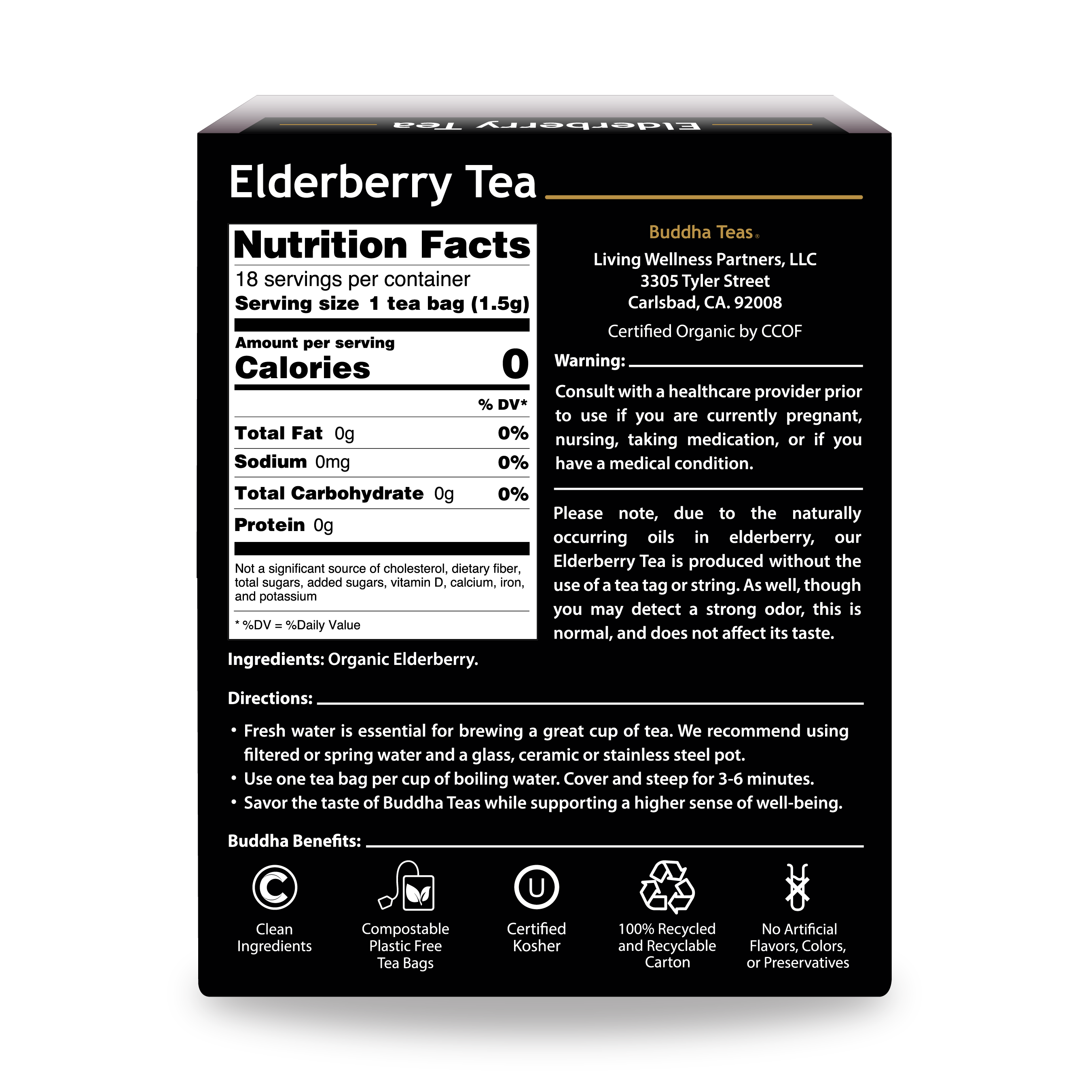
- Steep Duration: Pour 8 fl oz of boiling water over 1 bleach-free tea bag. Cover the mug and steep for 8–10 minutes.
- Covered Extraction: Keeping your mug covered traps the volatile botanical compounds and heat, ensuring a potent extraction.
- Herbal Pairing: Enjoy neat, or stir in a spoonful of raw honey and fresh lemon to balance the natural tartness.
Purity Matters: Why Bleach-Free & Plastic-Free Sourcing Wins
Steeping tea in boiling water means that any synthetic glues, staples, microplastics, or chlorine bleach in the tea bag will leach directly into your infusion.
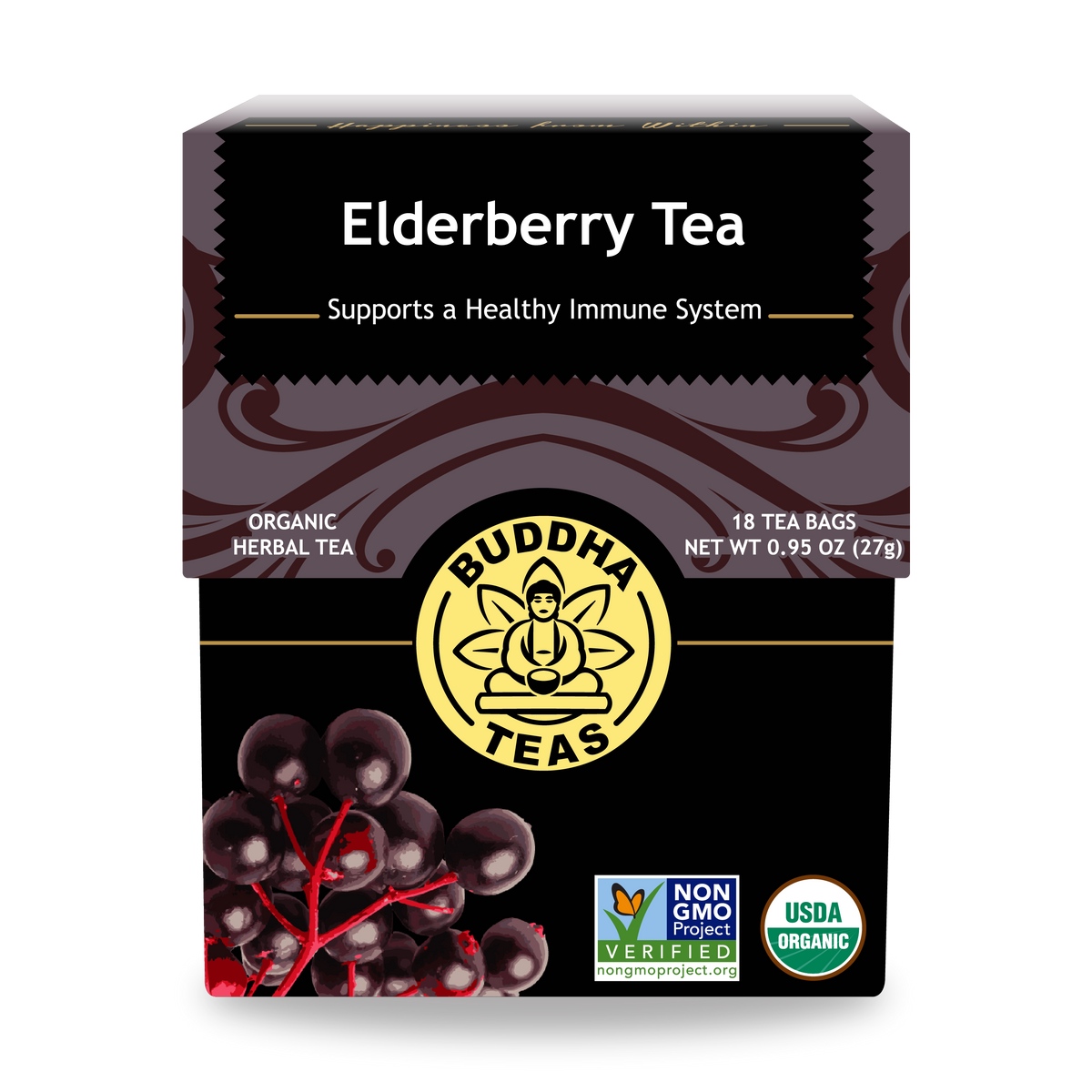
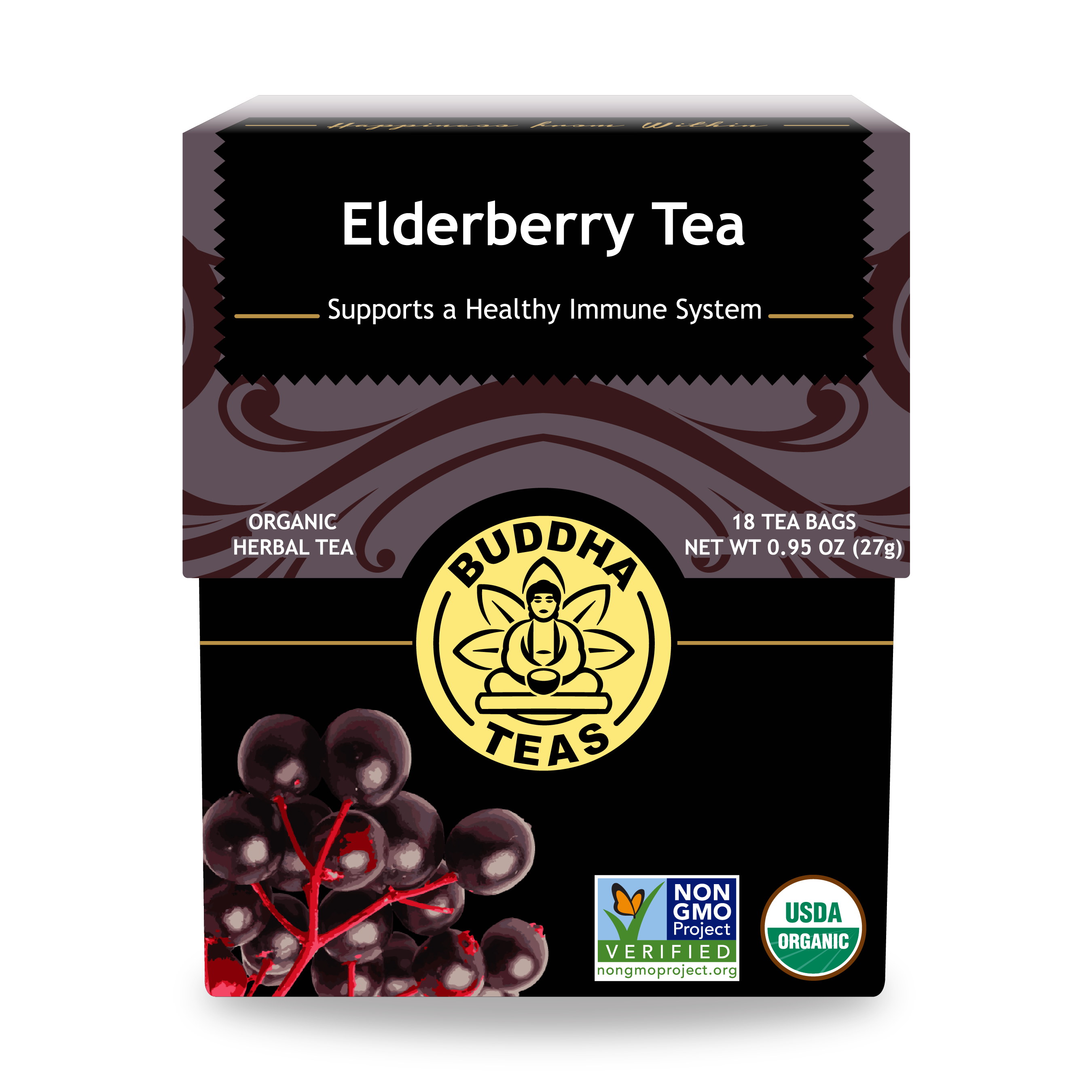
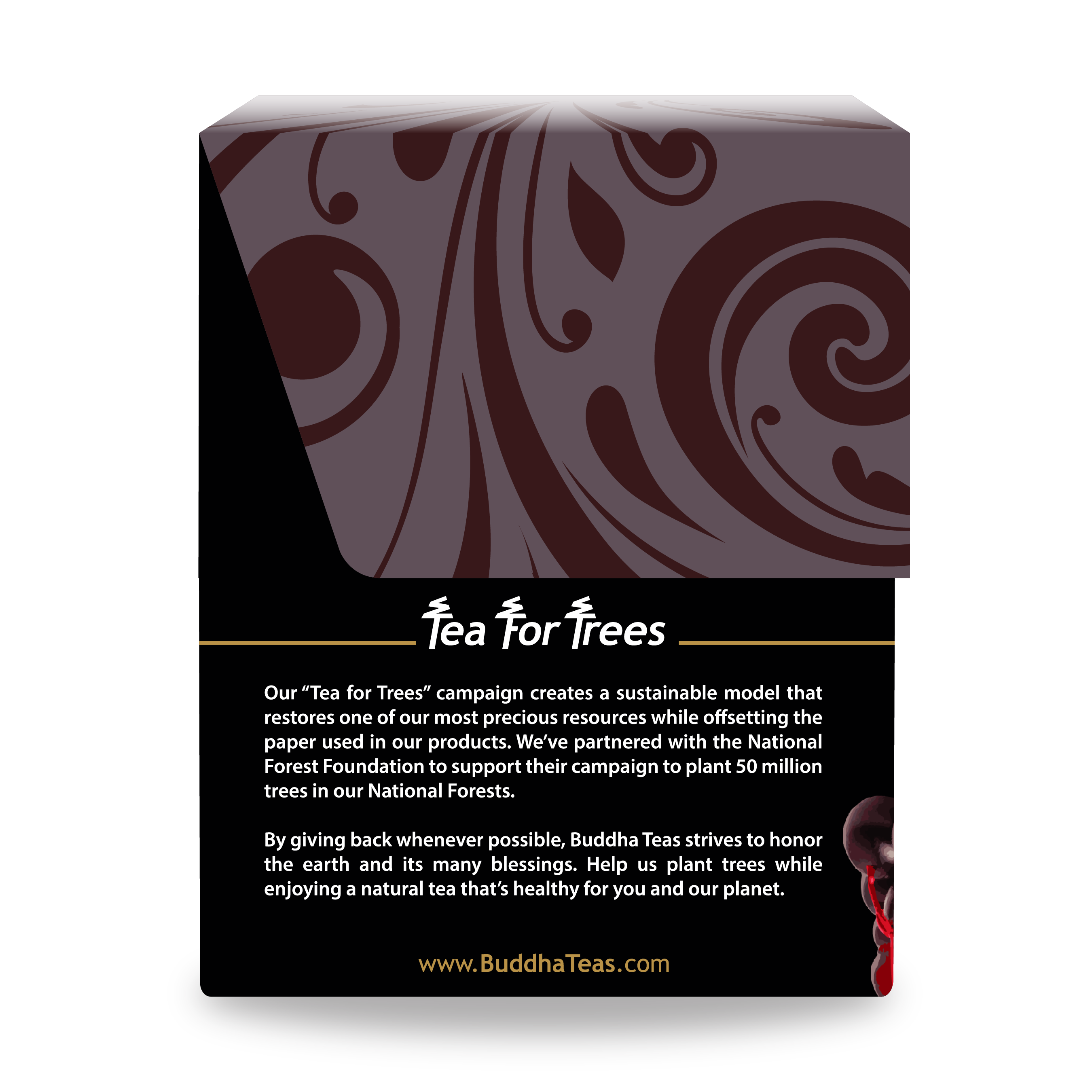
Our organic elderberry tea is packaged exclusively in 100% compostable, bleach-free, plastic-free tea bags, ensuring that the only thing in your cup is pure, organic botanical medicine. Explore our entire collection of single-herb tonics in the immune support herbal tea hub.
Frequently Asked Questions
What is elderberry tea good for?
LElderberry tea provides concentrated anthocyanins, antioxidants, and vitamins A and C to support the body’s immune system during seasonal transitions and environmental stress.
Does elderberry tea have caffeine?
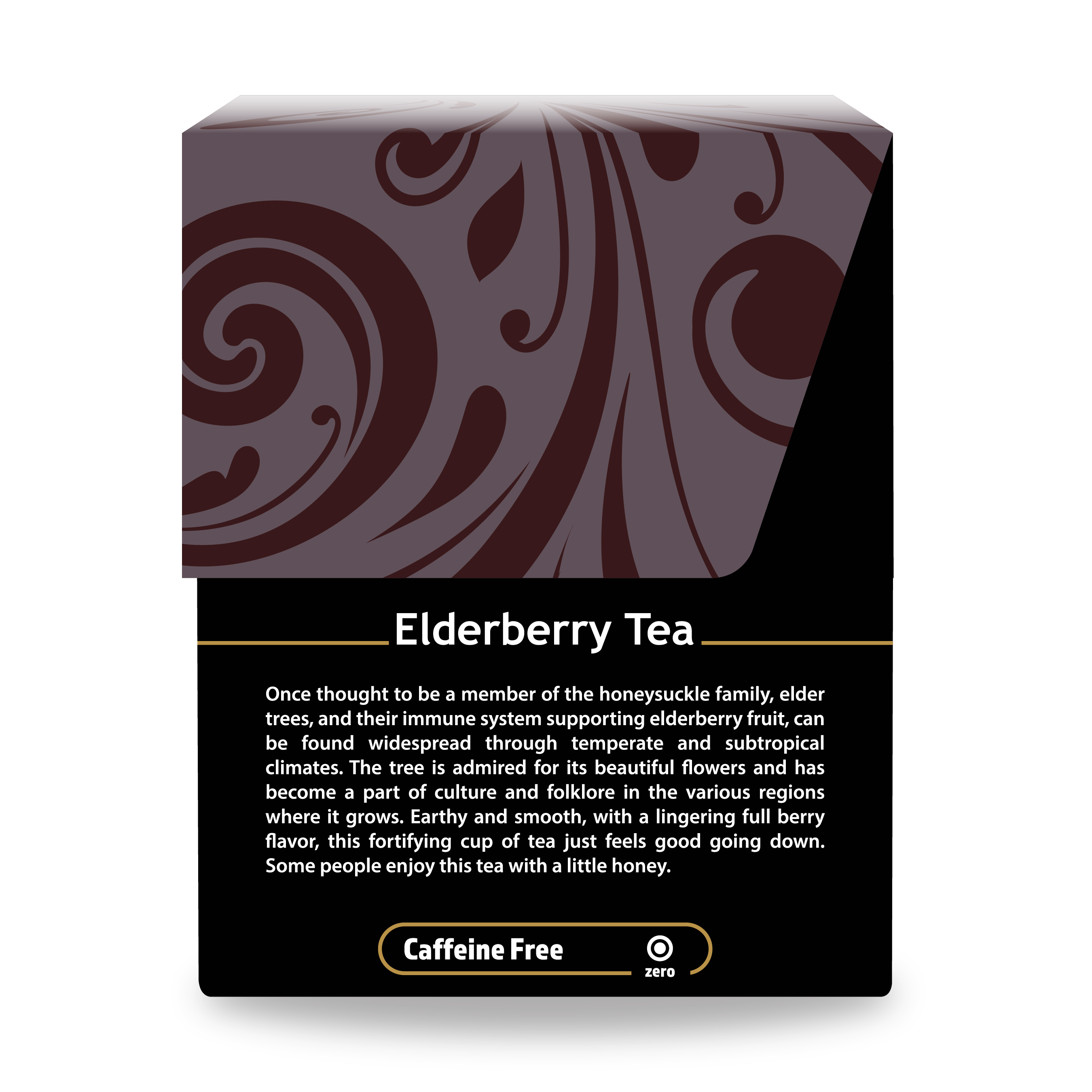
LNo. Pure elderberry tea made from 100% dried Sambucus nigra fruit is naturally caffeine-free, making it an ideal restorative beverage for both morning defense and evening wellness rituals.
Can I drink elderberry tea every day?
LYes. Drinking 1–2 cups of pure, organic elderberry tea daily is a gentle, effective way to maintain consistent antioxidant levels throughout the colder months.
How does elderberry tea compare to elderberry syrup?
L