

Caffeine-Free Teas: What to Drink at Night
May 11th, 2026
Caffeine-Free vs. Decaf: What You Should Know
When thousands of people search for the best caffeine-free tea for sleep, they are often confused by the terminology used on tea labels. Seeing "Decaf" on a box might lead you to believe it’s safe for bedtime, but for sensitive sleepers, that choice could be the reason for a restless night.
To achieve truly restorative rest, you must understand the biological difference between tea that has been processed to remove caffeine and tea that is naturally stimulant-free.
While these terms are often used interchangeably in grocery aisles, they mean very different things for your nervous system and your nighttime tea routine.
Naturally Caffeine-Free (Herbal Teas)
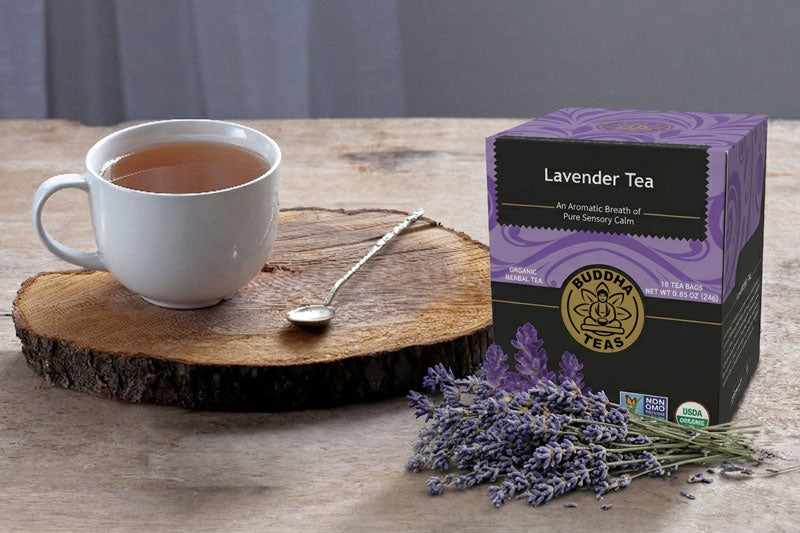
Herbal teas (also called tisanes) are not actually "tea" in the traditional sense because they are not made from the Camellia sinensis plant. Instead, they are infusions of dried flowers, roots, and seeds. Herbs like Organic Chamomile and Organic Lavender never contained caffeine to begin with. They are 100% stimulant-free from farm to cup.

Decaffeinated (Decaf) Tea
Decaf tea starts as regular caffeinated tea (Green, Black, or White). It undergoes an industrial process—often using chemical solvents or carbon dioxide—to "wash" the caffeine away.
The Hidden Truth: Decaffeination processes generally only remove about 95% to 97% of the caffeine. This means a standard cup of decaf tea still contains about 2–5mg of caffeine. While this seems small, it is enough to interfere with deep REM cycles for those with high caffeine sensitivity.
The Best Caffeine-Free Teas for Sleep
If you want a truly restful night, stick to these naturally caffeine-free powerhouses. At Buddha Teas, we prioritize single-ingredient purity so you get the full botanical benefit without the "decaf" chemical trail.

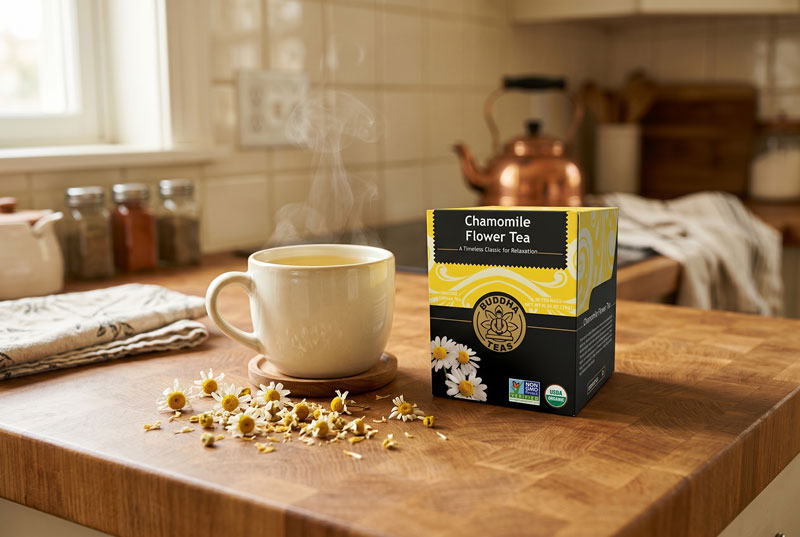
1. Chamomile Flower Tea
The gold standard for nighttime. As we discussed in our guide on how chamomile tea helps you sleep, its apigenin content is nature's answer to a racing mind.
Shop Organic Chamomile Tea2. Valerian Root Tea
When you need a more robust sedative effect, Valerian is the "heavy hitter" of the herbal world. It helps prevent the breakdown of GABA in the brain, making it one of the most effective teas for improving sleep quality and helping you stay asleep longer.
Shop Organic Valerian Root Tea3. Peppermint Tea
While many use it for digestion, peppermint is a cooling, naturally caffeine-free herb. It helps relax the muscles of the body, making it a great choice if physical tension or a heavy stomach is keeping you awake.
Shop Organic Peppermint TeaDebunking the Myths: Green Tea and Matcha
One of the biggest misconceptions in the wellness world is the belief that green tea is a "sleepy" tea because it is associated with health.

Is Green Tea Caffeine-Free?
No. Naturally, all green tea, white tea, and black tea contain caffeine. While green tea contains L-theanine (which is relaxing), it still contains enough caffeine to stimulate your heart rate and keep your brain in an "alert" state. Even "decaf green tea" contains trace stimulants that can disrupt your sleep onset.
What about Matcha?
Matcha is a concentrated powder of green tea leaves. Because you are consuming the entire leaf, it is significantly higher in caffeine than steeped tea. Matcha should be avoided at least 6 to 8 hours before bed.
Why Organic Purity Matters at Night
When your body is in "sleep mode," it shifts its focus to detoxification and cellular repair. If your evening tea is steeped in a bleached plastic tea bag or contains synthetic "natural flavors," you are introducing toxins right when your body is trying to "clean house."
At Buddha Teas, we ensure your nighttime cup supports your health, not hinders it:
- 100% Organic: No pesticides or chemicals.
- No "Natural Flavors": We never use synthetic sprays to enhance the taste.
- Plastic-Free Tea Bags: No microplastics leached into your hot water.
- Bleach-Free Paper: Ensuring your tea remains toxin-free.
To explore our entire range of stimulant-free options, visit our Caffeine-Free Tea Collection.
Shop Naturally Caffeine-Free TeasFrequently Asked Questions
Does herbal tea have caffeine?
LMost herbal teas are naturally caffeine-free. However, some "herbal" blends may contain yerba mate or guayusa, which are naturally high in caffeine. Always check for single-ingredient purity, like the organic herbs found at Buddha Teas, to ensure a stimulant-free experience.
Does decaf tea still have caffeine?
LYes. Most decaf teas still contain 2–5% of their original caffeine content. For those who are caffeine-sensitive or looking for the deepest possible sleep, naturally caffeine-free herbal teas are a superior choice.
Is chamomile tea caffeine-free?
LYes. Chamomile is a flower and is 100% naturally caffeine-free. It is one of the safest and most effective teas to drink right before bed as part of a Best Tea for Sleep protocol.