

Lavender Tea for Relaxation: Benefits & Flavor Guide
May 7th, 2026
While lavender is world-renowned for its soothing aroma in essential oils and spas, it is also one of the most effective herbal infusions for internal calm. But what exactly are the lavender tea benefits that make it a staple for wellness enthusiasts?
Whether you are looking for the best tea for sleep or simply a way to lower your stress levels after a long day, lavender tea offers a gentle, plant-based solution that is as effective as it is beautiful.
What is Lavender Tea Good For? The Science of Scent
The primary reason people reach for lavender is its profound effect on the central nervous system. Unlike other herbs that must be fully digested to work, lavender begins working the moment you inhale the steam.
The Limbic System Connection
Lavender contains two primary active compounds: linalool and linalyl acetate. When you breathe in the aroma of a hot cup of lavender tea, these molecules travel through the olfactory system directly to the limbic system—the part of the brain that controls emotions and the "fight or flight" response.
Studies suggest that this interaction helps reduce feelings of restlessness and lowers serum cortisol levels. Unlike many other sleep aids, lavender doesn't just "knock you out"—it helps your body enter a state of natural parasympathetic dominance, making it easier to drift off on your own terms.
Beyond Relaxation: Digestive Support
While famous for the mind, lavender is also a traditional carminative herb. It helps soothe the muscles of the digestive tract, making it an excellent choice for those who experience "nervous stomach" or tension-based indigestion before bed.
Does Lavender Tea Have Caffeine?

One of the most common questions we receive is: Does lavender tea have caffeine? The answer is no. Pure lavender tea is an herbal infusion (tisane), meaning it is naturally 100% caffeine-free. This makes it the perfect companion for late-night reading or a pre-bedtime meditation ritual.
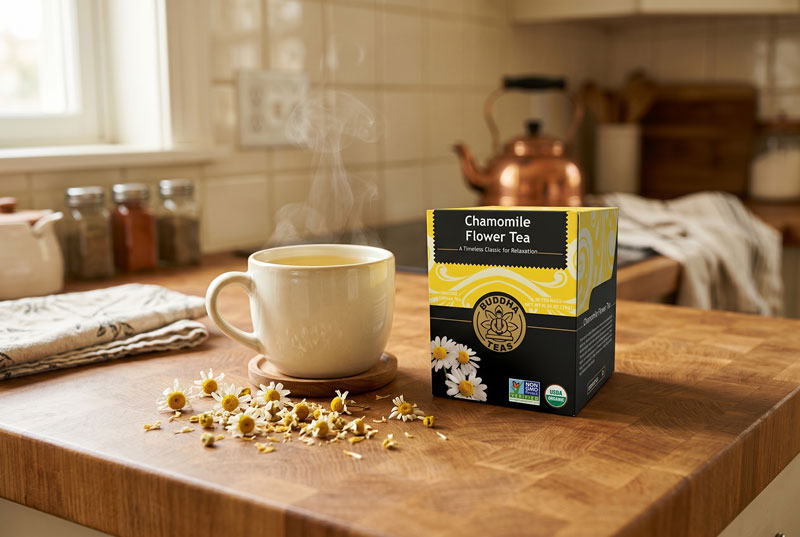
If you’ve enjoyed our recent guide on how chamomile tea helps you sleep, adding lavender to your rotation provides a different but complementary set of botanical compounds to support your rest. For a full breakdown of nighttime stimulants to avoid, check out our guide on the Best Caffeine-Free Teas for Night.
The Flavor Profile: Does it Taste Like Soap?
A common fear with lavender tea is that it will taste like "drinking perfume." This unpleasant experience usually happens when brands use low-quality lavender "dust" or add synthetic "natural flavors" to hide old herbs.

High-quality, culinary-grade lavender should never taste like soap. Instead, it offers a sophisticated, multi-layered profile:
- Floral and Sweet: A light, elegant bloom on the front of the palate.
- Earthy and Herbal: Subtle woody notes similar to rosemary or sage.
- Slightly Minty: A clean, refreshing finish (lavender is actually part of the mint family).
By choosing a brand that avoids artificial flavorings, you get the true, subtle essence of the flower—refreshing, grounding, and delicate.
The Buddha Teas Difference: Why Purity is Paramount
When you drink lavender for relaxation, the quality of the flower is non-negotiable. At Buddha Teas, we use milled lavender flower to ensure maximum surface area for the extraction of linalool, while maintaining the highest purity standards.
- 100% Organic: We never use lavender treated with synthetic pesticides.
- No "Natural Flavors": We let the flower speak for itself. You get the full benefit of the herb, exactly as nature intended.
- Bleach-Free & Plastic-Free Bags: We use unbleached, compostable tea bags to ensure no microplastics ever leach into your calming cup.
By choosing a brand that avoids artificial flavorings, you get the true, subtle essence of the flower rather than an overpowering perfume.
How to Make Lavender Tea for Maximum Relaxation

To extract the essential oils that carry the sedative benefits, follow this expert protocol:
- Fresh Water: Bring filtered water to a full boil (212°F).
- The Covered Steep: Place your tea bag in the mug, pour water, and immediately cover the mug with a lid or saucer. Lavender’s most therapeutic compounds are "volatile," meaning they want to escape in the steam. Covering the cup keeps the medicine in the water.
- Time: Steep for 5–8 minutes.
Pro-Tip: Lavender pairs beautifully with a touch of raw honey or a slice of lemon to highlight its citrusy undertones.
Experience the Calm
Lavender is more than just a pleasant scent; it is a powerful botanical tool for anyone looking to reclaim their evening peace. Whether you enjoy it as a single-ingredient tea or as part of a complex blend, ensuring its organic purity is the key to a truly restorative experience.
To explore our full range of lavender-infused options, visit our Lavender Flower Tea Collection. There, you can discover how we blend this aromatic herb with other botanicals to create a diverse array of relaxation rituals.
Frequently Asked Questions
What are the main benefits of lavender tea?
LLavender tea is primarily used for relaxation and stress relief. Its natural compounds, linalool and linalyl acetate, help soothe the limbic system, reduce restlessness, and support a more peaceful transition into sleep.
Is lavender tea safe to drink every night?
LYes. Lavender is a gentle, caffeine-free herb. Making it a consistent part of your nighttime tea routine can actually improve its effectiveness as your brain begins to associate the scent with sleep.
What does lavender tea taste like?
LWhen organic and high-quality, lavender tea has a floral, slightly sweet, and earthy flavor with a clean, minty finish. It should never taste soapy or like perfume; those notes are typically signs of synthetic additives or low-grade herbs.